Anti-Hurry
Simple things like walking slower. Pausing to stretch or take a breath. Not trying to do more than one thing at a time. Slowing down is anti-hurry.


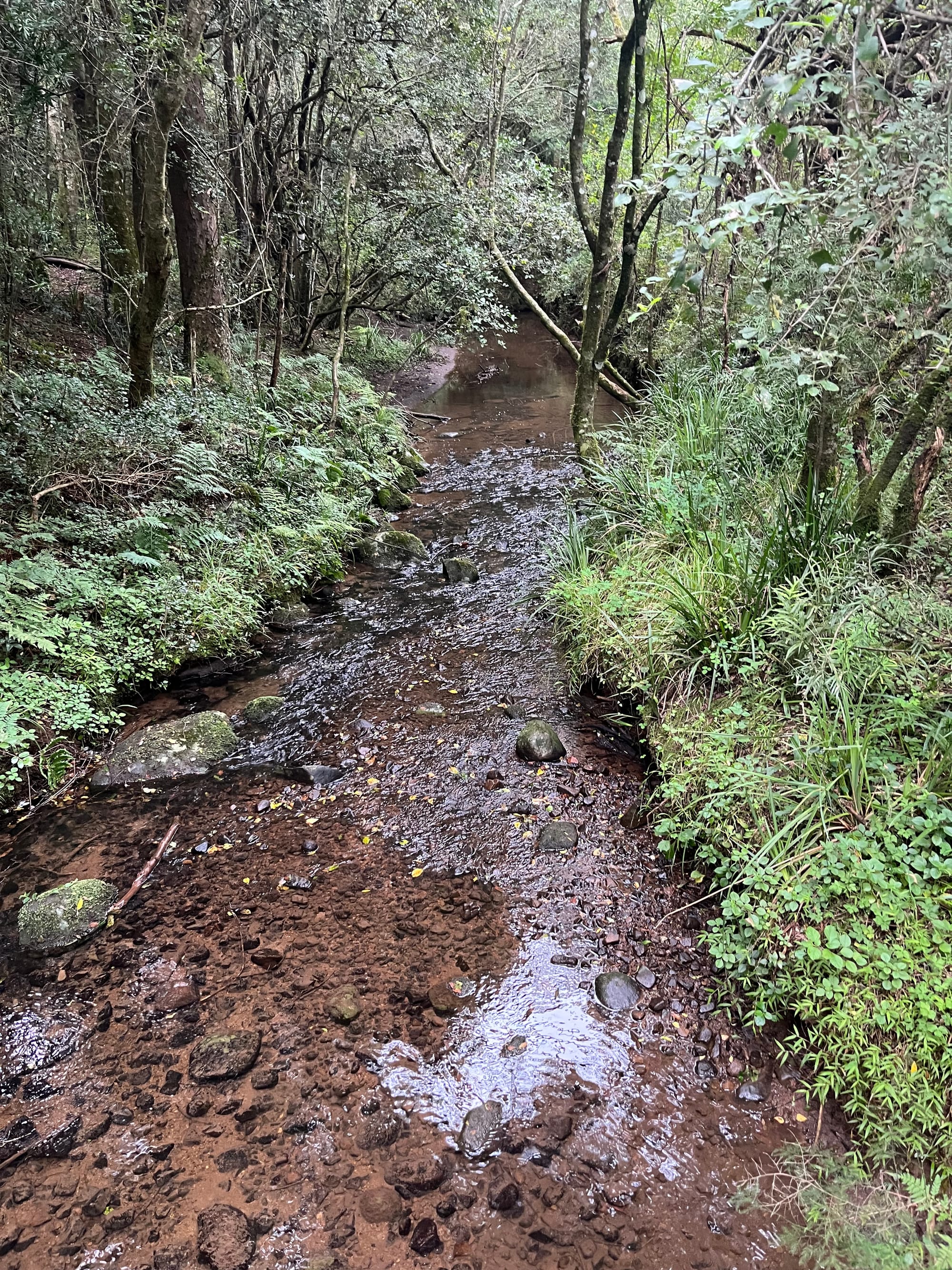
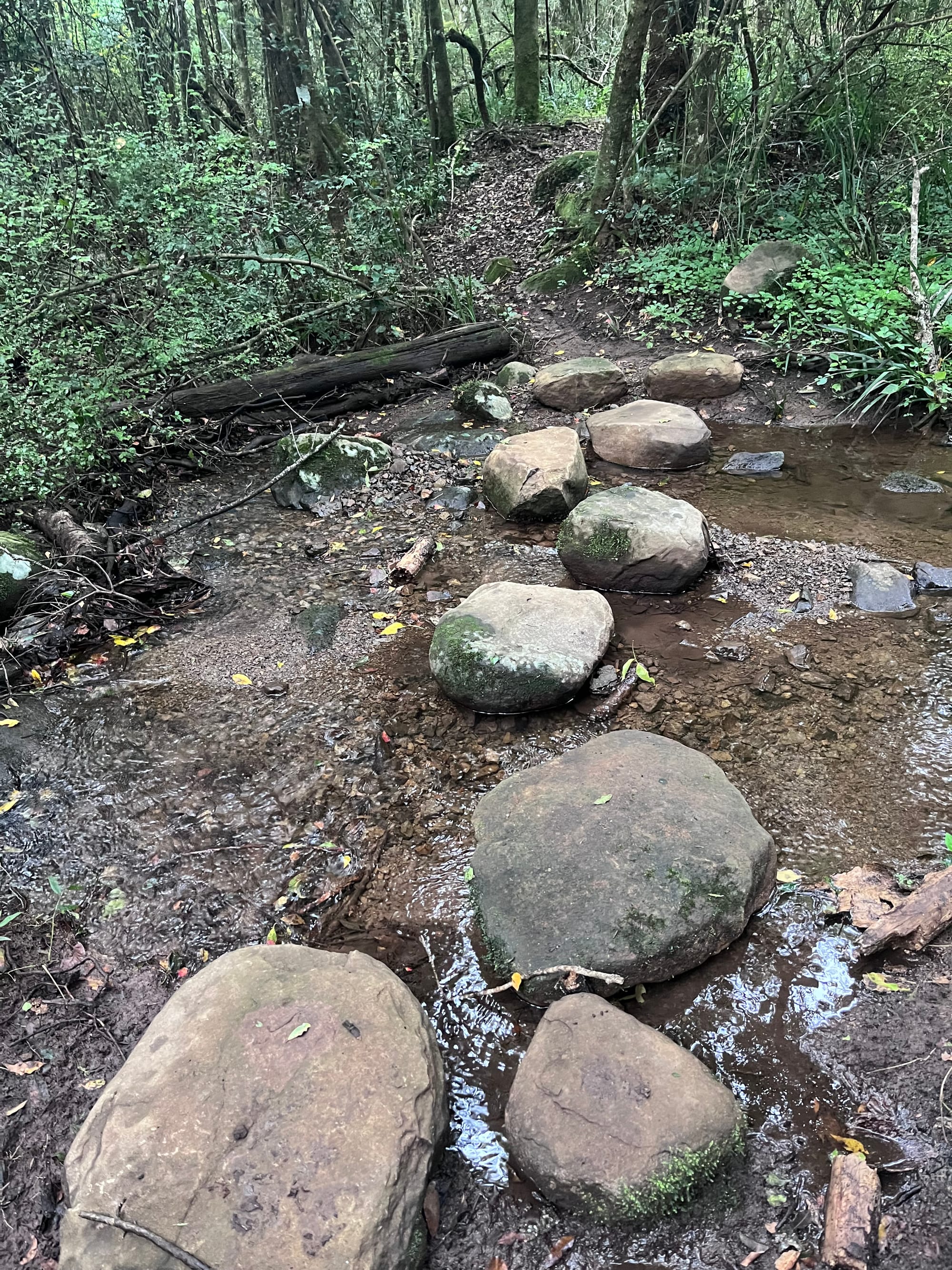
In my welcome to 2026 post, I wrote about my experience of reading John Mark Comer's "The Ruthless Elimination of Hurry." I got a huge amount out of it and started reading it all over again. I wanted to offer some thoughts on what anti-hurry could be, with pictures courtesy of my phone on a very anti-hurry walk I took recently.
We Have Hurry Sickness
Something I have really noticed in recent weeks is when driving on the freeway is the number of drivers who are typing on their phone whilst driving. Honestly, this enrages me. We truly have hurry sickness - a sense of relentless urgency. Something feels that urgent to people that they have to type messages on their phone whilst driving on the highway. Something is deeply wrong with this picture.
The term "hurry sickness" was coined by two cardiologogists Meyer Friedman and Ray Rosenman in the 1970s. They wrote a book called "Type A Behaviour and Your Heart." in 1974.
Hurry sickness was a term used to refer to people with Type A personalities who are driven by ambition to do more and achieve more and as fast as possible. By this definition most people in the world today are Type A personalities! This is not actually the case, but hurry sickness has certainly been caught by most of us as rushing and hussle has become our culture.
Hurry sickness isn’t a diagnosable condition, but it encapsulates a set of behaviors and emotions — impatience, chronic rushing, and a constant sense of time scarcity — that can wreak havoc on a person’s physical and mental well-being.
Kandi Weins in Harvard Business Review. 13 January 2025. https://hbr.org/2025/01/the-insidious-effects-of-hurrying
Hurry sickness has become a culture most of us have imbibed.
I have it too
I'm not trying to point fingers at anyone*, I suffer from hurry-sickness too unless I am very intentional in busy periods of life. I have a tendency to be fast-paced. And, somehow, when I examine my thoughts, I have told myself that if I work fast, I can achieve more. Or that working fast shows efficiency and effectiveness. (Lord knows in our country we wish more services would take on such an urgency!!) But it is not the whole answer. Fast-paced does not always equal "good work."
*Except if you're typing whilst driving, then I am pointing a finger to ask you to stop endangering lives.

The Up side of slowing Down
Writing this blog over the past 4 or 5 years has taught me that when I take time to mull over a topic, do some research, and write several drafts of a blog, the end result almost always seems to land better than a rushed job.
When something takes time, there are always things that will arise to distract and take one off course. Quality cannot be rushed.
When we have a lot to do and we rush everywhere at a harried pace, we can work our system into being 'stressed about being stressed' and go into complete panic and overwhelm. Rushing gives our system the feedback that "this is an emergency!!"
Simple things like walking slower. Pausing to stretch or take a breath. Not trying to do more than one thing at a time. Slowing down is anti-hurry.
Slowing down my pace helps me to engage my thinking brain more effectively, it gives me a chance to enter a more regulated state and work from a place of openness and creativity rather than pressure and stress.
I also learned from the time I was walking a child from his classroom to my playroom at the school I was based at at the time. I wrote about it here. I felt an urgency to get kids to the playroom as quickly as possible so I don't lose time or waste parent's money!! Until I had the revelation that the walk was as much part of the whole session as actually being in the playroom, and that what kids sometimes chose to talk about was really important to pay attention to. The walk became an enjoyable part of the work and the relationship for me after this.

Loving ourselves and others enough to slow down
Hurry and love are incompatible
John Mark Comer.
Wow, read that again. And again. And again. Until it sinks in.
John Mark Comer also says
...love is painfully time-consuming. All parents know this, as do all lovers and most long-term friends.
We can't build solid, lasting relationships with anyone if we are constantly in a rush. This goes as much for our relationship with ourselves as it does with others.
For parents, if we are constantly in a rush we can't help but transfer some of that pressure onto our children.
Slow down where you can
I'm not you, I don't know your unique life and circumstances. Slowing down when you have toddlers or pre-schoolers looks different to having a 10 or 16 year old. You may have a crazy-demanding job with relentless deadlines that require some rushing.
Whatever life circumstances you have, I recommend you take an inventory on how you spend the leisure time you do have. How much time do you really spend watching TV, or on social media? How much time do you allow yourself to have face-to-face interactions with loved ones? How much time are we simply using to distract ourselves, and how much are we spending on truly slowing down?
Watching TV and being on social media are not anti-hurry activities. They're entertainment for a while, nothing wrong with that in itself. But if we go between rush and hurry and mindless entertainment, we're generally numbing rather than actually slowing down to engage and refuel emotionally and mentally.
Good sleep, eating nutritious food in a leisurely way whenever you can, journalling, having a great conversation and exercise are all anti-hurry activities. And, funnily enough, these are also the types of activities recommended to combat anxiety and depression.

Slow practice
Maybe there's one tiny anti-hurry thing you can do to practice; walk a little slower, take a pause, write something in long hand rather than typing it up. Notice how making minor adjustments to slow down can make you feel.