How to support your teen when their friend is in crisis

"Little kids, little problems. Big kids, big problems." I had someone say this to me when my children were little, I didn't fully understand it at the time. I remember thinking my parenting issues at the time were being a bit dismissed. But here is what I think it could mean in light of what I know and have experienced until this point.
Little kids problem examples; sleeplessness, developmental milestone issues, and behaviour management issues. Big kid (teen) problem examples; abuse, substance abuse, being bullied, eating disorders and mental health problems.
This is not to say big problems don't happen in little kids' world. Many little kids deal with domestic violence, abuse, parental divorce and too many other big issues. Trauma can happen at any point in childhood. Neither am I saying all the issues mentioned for little kids are easy for parents to deal with, far from it!
When your kids are little, you're the one protecting them, absorbing the impact of any potential outside influence. You're making decisions about who they socialise with and essentially what content they engage with. Even if/when a trauma happens, you are still there as the parent to support and hopefully you're still the one your child goes to when they need support.

Bigs kids are entering the adult world where bigger issues than they are ready to handle exist. Bigger influencers, bigger pressures, much larger awareness of the whole world out there and a desire to explore it. When kids are teens you have much less control over who they have contact with and how, and you're less able to protect them from the ouside world.
In their journey into adolescence, children start to encounter other children dealing with bigger problems and even crises, and their awareness is so much more heightened. They're no longer getting your measured doses of information, and there is no longer a buffer between your child and what is happening.
Some "big kid" problem examples; bullying, addictions, eating disorders, suicidal ideation. We know that teens tend to tell their peers about issues in their lives first before talking to adults. The weight of these issues can be very heavy to bear, so how do we help them bear it? And, will they even tell us if their friend has asked them to keep it a secret or they want to protect their friend in some way?

I refer back to a post from earlier this year which I called The Listener. As parent's of teens it is so important that we become good listeners. Less lecturing, more listening. We may be so tempted to jump to having our say about what is right and what is wrong. But so much more can be revealed and dealt with by listening than by lecturing. If you listen, your kids will be there for your input at the right time. And, they will keep coming back to you. If you don't listen and only lecture, they will tune you out and go elsewhere for the help they are actually looking for.
Lisa Damour has a freely downloadable bookmark from her website, link below. And I highly recommend browsing her website for more resources on this and other topics.
https://drlisadamour.com/wp-content/uploads/2022/03/LD_Bookmarks_When_a_Teen_Friend_Is_In_Crisis.pdf
When you are aware of an issue with your child's friend, arm yourself with information and give your own child information at the right time. Information - not a lecture! You could start by asking them what they know about the issue in general. What do you know about addictions and addict's behaviour? What do you know about depression, do you want to know more? This is not so that your teen has to deal with their friend's issue, it is so that they are aware how the friend's issue can impact them and when to ask for more help when needed.
You could also ask, how has this been affecting you so far? How has it affected your friend/your frienship? Your teen might need help recognising when they have been pulled into a co-dependent or manipulative relationship and some help for what to do about that.
Externalise the issue from the person so that your teen knows you're not criticising their friend. People who are struggling with addictions or eating discorders can become immersed in certain negative patterns of relating to others in order to get their fix or deal with their disorder. For example, an addict may lie or steal or manipulate. A person with an eating disorder may become controlling around food. Flag these things as things to look out for in the relationship. Give them permission to put in boundaries and even help them practice through role plays if they're open to this.
Your teen will know when it's all too much for them and likely when they come and tell you, it already feels that way. Respond with compassion and care for your child and for their friend, even if it's worrying or upsetting for you. (Look after yourself too, and process your response with someone later).

If the friend is at risk in some way, you will likely need to get external help and/or speak to their parents. You will need to talk your teen through this process. If they've been asked to keep a secret, this will be tricky. But you can explain in cases where there is abuse or heightened risk of harm, that this is imperative. Be honest, don't make false promises. Let them know what you're going to do.
Keep the lines of communication open with your teen. Check in periodically with how they are doing. Let them know it's OK to not be OK, normalise how heavy it might feel. And also, that it is not their responsibility to deal with. Depending on the situation they may need professional support, let them know that is available to them.
Upcoming Holiday Events
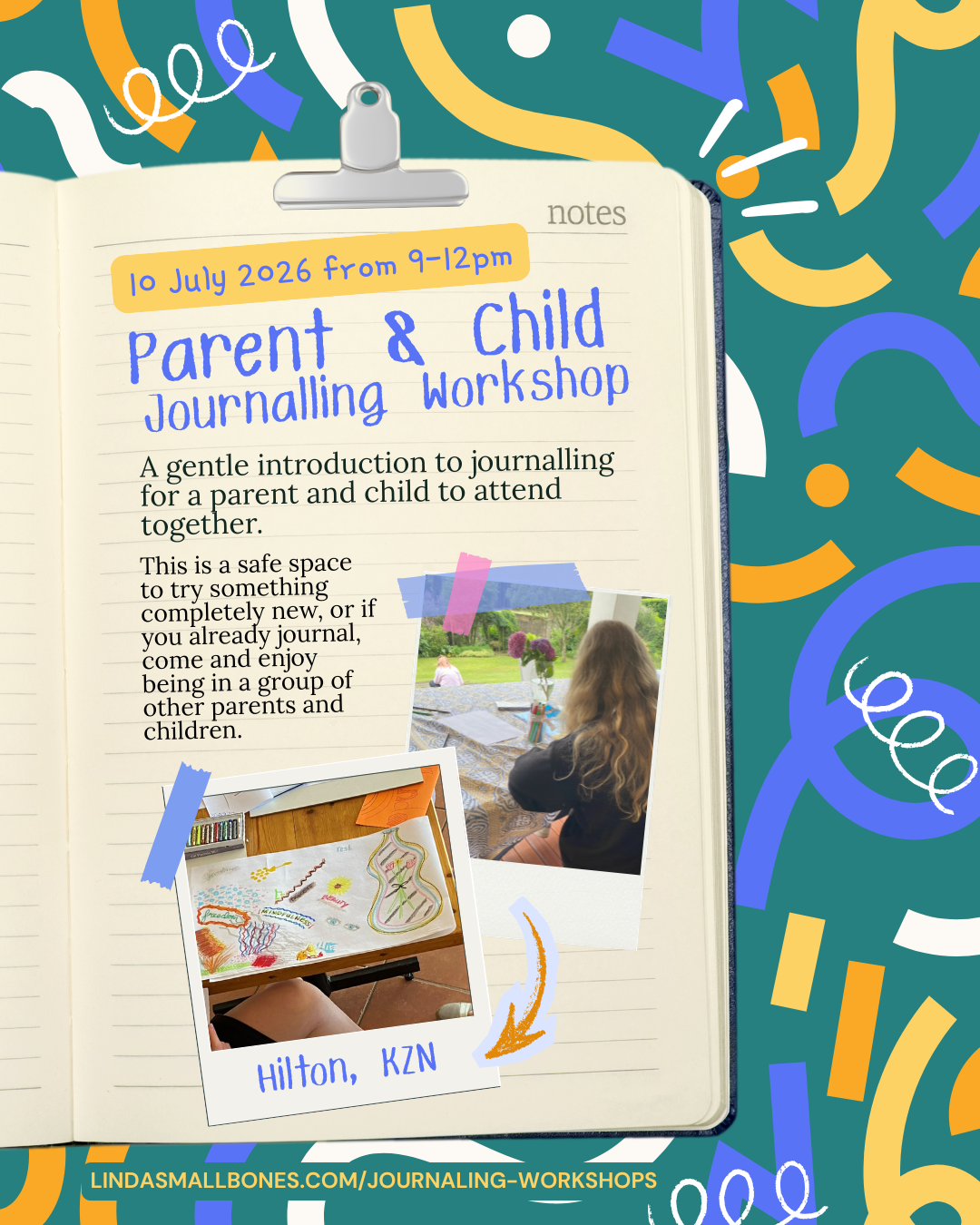
A way to connect with your teen with or without words this holiday!